Saturday Snippet: The Holy Man and a Bad Man

Welcome to Science Fiction Fantasy Saturday. Snippets of ten sentences or less are yours for the reading!

Today’s snippet comes from Book Two of The Black Wing Chronicles~  liking the title THE BROKEN WING, how about you?

This week’s snippet is the next few sentences that follow last week’s snippet in which Blade is still recovering from the hovercycle crash and he’s still on Kah Lahtrec. Tahar, the strange spiritual guru of the Lahtrecki people is still caring for him.

***

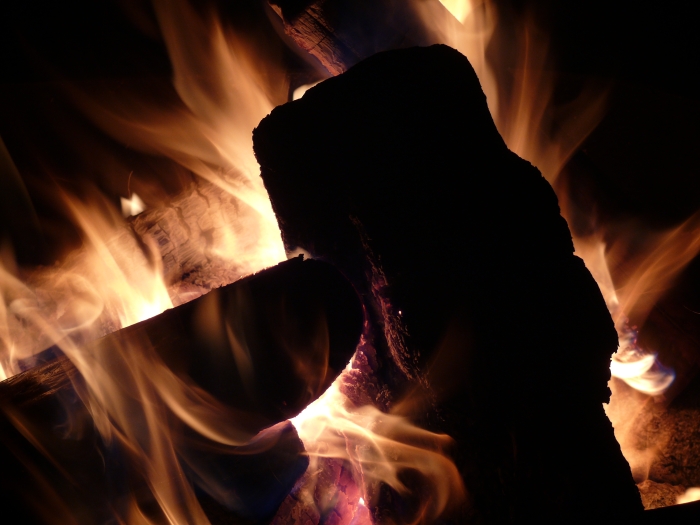
Blade reached for another piece of wood and tossed it onto the fire. A ribbon of sparks spiraled skyward riding on the tendrils of smoke and disappearing into starlit sky.

“You do not see how we could possibly love and accept you.”

Blade’s jaw tightened until he felt a muscle twitch. “If you knew… if you knew the things I’ve done… what I’m capable of…”

“If all men were judged by what they are capable of, everyone would be in prison,” Tahar said.

Blade met Tahar’s eyes squarely. “I’m a bad man, Tahar.”

Tahar smiled. “The difference between a good man and a bad man is that a good man knows he is bad and has the desire to be better.”

***

That’s the snippet for the week. Thank you for stopping by. Please take the time to visit the other wonderful authors taking part in Science Fiction/Fantasy Saturday!

Saturday Snippet: The Cycles of Existence

Welcome to Science Fiction Fantasy Saturday. Snippets of ten sentences or less are yours for the reading!

Today’s snippet comes from Book Two of The Black Wing Chronicles ~ how does THE BROKEN WING sound?

This week’s snippet is the next few sentences that follow last weeks’ snippet in which Blade is still recovering from the hovercycle crash and he’s still on Kah Lahtrec. Tahar, the strange spiritual guru of the Lahtrecki people is still caring for him.

***

Blade’s gaze narrowed as he studied the old man, trying to follow his reasoning. “My fate? What fate is that?”

The old man didn’t reply. He simply stared at Blade with an enigmatic smile on his lips.

“Are you talking about the Prenaha? The cycles of existence? You know I don’t believe all that.” Blade shifted his weight onto his hip and winced at the firestorm that shot through his leg. Unable to help his small grunt of pain, he leaned forward and massaged the tight muscles of his thigh above the brace, silently begging them to release and grant him some measure of ease.

***

That’s the snippet for the week. Thank you for stopping by. Please take the time to visit the other wonderful authors taking part in Science Fiction/Fantasy Saturday!

Patrick Stutzman: Do You Have To Be Female To Write Female Characters?

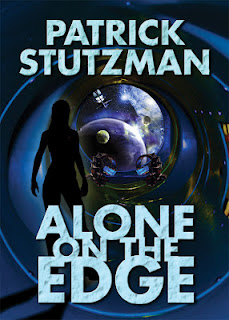
There was so much positive response to a recent post on women and science fiction that when I had the chance to invite a male author who writes strong female leads beautifully, I jumped at it. Here is Patrick Stutzman, author of ALONE ON THE EDGE and his new release ALONE IN PARADISE.

***

Writing can be a lot of fun, but it can also come with its challenges. Among those challenges can be making your story and/or characters believable, getting the story to flow smoothly and logically, and avoiding the pitfalls into which many authors inadvertently fall. My primary problem involves being a man and writing about a woman.

My series of novels revolves around a woman who finds herself left alone, away from civilization, and must cope with her situation to the best of her abilities. I have received compliments from a number of women that I have somehow managed to pull off the ardent task of hitting the nail on the head as far as accurately portraying female characters. Those that don’t know me figure it is because I am secretly a woman or that I am gay. The last time I checked, I am a male; I have guy parts. And, my wife can assure you that I am not gay.
How do I do it? No, I don’t follow Jack Nicholson’s formula in As Good As It Gets where he says, “I take a man and take away reason and accountability.” It all falls down to observation and error-checking.

As a gamer, I liked to play female characters in my games. I create women player characters in my Dungeons & Dragons and Star Wars roleplaying games, and I have a female character in World of Warcraft and Skyrim. Why? Most of the other players played males. I wanted to have women come along on the adventures, too. With characters like Red Sonja, Wonder Woman, Jean Grey, and Sheena as inspiration, women have just as much capability to kick some major butt as the men.

I live in a house with three other women: my wife and my two daughters. Learning what women are like and how they think, though it is still an exercise, comes a bit easier for me because of that. When I create the women in my books, I take what I know from the three ladies in my life and apply parts of them to the characters.

I cannot honestly say that it’s that easy. After I complete the story, my editor steps in and checks my portrayals for accuracy. It really helps that my editor is a woman, too. If something seems askew, we discuss it and make any necessary changes to finalize the character’s depiction.

I am not the only man that creates female characters, but I am willing to bet that I am one of the few that does not make my women damsels-in-distress or really butch. I have always strived to be as realistic as possible in my stories, and having women properly represented is something I am proud to do.

***

Please feel free to visit each blog on the appropriate day and comment about the blog post, the book, me, or whatever you choose. One lucky person that comments on the blog stop that day will win a free e-copy of the book. Spread the word to your friends and come read about the continuing adventures of Anna Foster in the exciting sequel, Alone in Paradise.

Saturday Snippet: Hero And Holy Man – Old Man’s Folly

Welcome to Science Fiction Fantasy Saturday. Snippets of ten sentences or less are yours for the reading!

Today’s snippet comes from Book Two of The Black Wing Chronicles, quit asking me about a title!

This week’s snippet is the next few sentences that follow last weeks’ snippet in which Blade is still recovering from the hovercycle crash and he’s still on Kah Lahtrec. Tahar, the strange spiritual guru of the Lahtrecki people is still caring for him.

***

“You’ll forgive an old man his folly,” Tahar said, breaking through the haze of pain that settled over him. His eyes met Blade’s.

“What folly, Tahar?”

The old man shook his head. “I have watched you die many times. I could not sit quietly and watch it happen again.” A slow, sad smile touched his lips. “I am Tahar. If I cannot interfere in your fate, then I am not worthy of my title.”

***

That’s the snippet for the week. Thank you for stopping by. Please take the time to visit the other wonderful authors taking part in Science Fiction/Fantasy Saturday!

Saturday Snippet: Hero And Holy Man – Campfire Compadres

Welcome to Science Fiction Fantasy Saturday. Snippets of ten sentences or less are yours for the reading!

Today’s snippet comes from Book Two of The Black Wing Chronicles, quit asking me about a title!

This week’s snippet is the next few sentences that follow last weeks’ snippet in which Blade is still recovering from the hovercycle crash and he’s still on Kah Lahtrec. Tahar, the strange spiritual guru of the Lahtrecki people is still caring for him.

***

Chagrined to find himself so infirm that he’d need the help of a frail old man to get to his feet again, Blade swallowed his pride and carefully eased his aching body down onto the terrace across the fire pit from Tahar.

“Aren’t there supposed to be chairs or benches over here?” Taking a deep breath, Blade adjusted his immobilized leg, looking for a position that didn’t cause stabbing pain through his hips and back.

“I removed them.” Reflected firelight glittered in Tahar’s dark eyes. Shifting shadows danced across his face, playing chase in the deep grooves time had etched into his skin. His smile faded. His expression grew distant as he stared into the flames. Leaning forward, he studied them intently.

***

That’s the snippet for the week. Thank you for stopping by. Please take the time to visit the other wonderful authors taking part in Science Fiction/Fantasy Saturday!

Girls Don’t Like Sci-Fi! Do They?

Sometimes it’s hard to remember how far we’ve come until you look back at where we’ve been.

When I was a kid, growing up on STAR TREK, WONDER WOMAN, SPACE 1999, THE SIX MILLION DOLLAR MAN, THE BIONIC WOMAN and BUCK ROGERS women were still pretty much objects to be kidnapped, tied up, held for ransom and eventually rescued by the big strong man. While women and girls were fans of science fiction, it wasn’t really written for us, with us in mind. The general consensus was that science fiction fans were primarily male, intelligent, between the ages of 12 and 40 and virgins living in their parents’ basement.

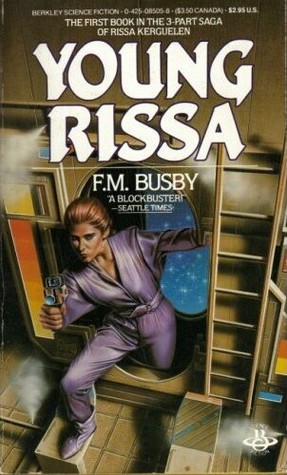
I was frustrated that there was precious little out there that depicted kick-ass women as heroic figures. So I started writing my own. That’s how Bo Barron was born. Even then, I realized that it would be impossible to find a market in the male-dominated science fiction market. I was ready to give up the idea and bow to pressure to go to college to be an English teacher. Fortunately, I found the Rissa Kerguelen series of books by F.M. Busby and held fast to my original plan.

Until I sat down to write this post, I’d pretty much forgotten those books, which is a shame, considering how many times I read and re-read them in high school. It was 1984, Bo was already cutting a wide swath through my friends who clamored for more of her adventures. It was a stinky boy who told me no one would ever buy a science fiction book about a girl warrior. College loomed. I had to declare a major. While browsing in a bookstore I found Rissa. She was so different from Bo and while I tried to really like her, something about her fell flat. I later came to realize that was because she was written by a man, from a man’s perspective. But what kept me going was knowing that here was a character who had a lot in common with my own. If she could see the light of day, so could Bo.

Over the years, I heard over and over that “women just don’t read science fiction” and “women aren’t into science fiction.” I did and I was. What was I? Chopped liver? I would argue with whoever held still long enough that the reason more women weren’t into science fiction was because men were writing science fiction for men. If more women wrote science fiction, more women would read it. But it was the 1980’s and gender lines were still clearly drawn.

The movie ALIEN started things changing. Ripley was a kick-ass heroine that men loved and women related to. It was a slow process, but by the 1990’s, the sub-genre of Science Fiction Romance was on the rise and traditional romance publishers were taking a chance on it. However, the mainstream SF publishers still didn’t want anything to do with it. Hard SF, cyberpunk and technothriller were all they wanted to see. Space Opera? Forget it.

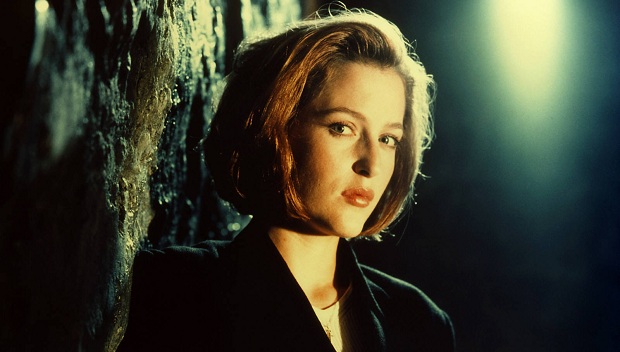
The stereotype of the awkward, but brilliant male adolescent SF fan living in his parents’ basement was still the target market of SF publishers. Funny, but during that time Romance sales soared and SF sales did not. Film and television tapped into the female market with shows showing women in heroic roles like SPACE: ABOVE AND BEYOND and BABYLON 5 and STARSHIP TROOPERS. In fantasy and other genres there was XENA: WARRIOR PRINCESS, NIKITA, and even the X-FILES, which switched the gender roles with the skeptical scientist played by Gillian Anderson and the wild-eyed paranormal expert played by David Duchovny.

Fast forward to the 21st Century. SF Romance still struggles to find a market as Romance publishers are reluctant to deviate from their formula and require Happily Ever After endings or at least Happy For Now, and Science Fiction publishers are more reluctant than ever to sully their reputations with that tripe. Of course, the beautiful thing is, SF authors are no longer dependent on the hallowed halls of traditional publishers to get their work in the hands of eager readers. There is an awful lot of self- small- and indie-published SF out there, a lot of it Space Opera and SF Romance.

You see, the nasty little secret that mainstream SF publishers never realized is that no matter the situation, be it war, politics, or business, no matter how complicated it is at the outset, all you have to do to really screw it up is to throw a woman and romantic element into the mix. It doesn’t necessarily make it a romance, but it does complicate your story nicely. That’s the kind of thing women love to read. Even Homer understood how women can complicate and cloud the issue. After all, he told the story of the Trojan War, which, according to Homer, was all for the love of a beautiful woman.

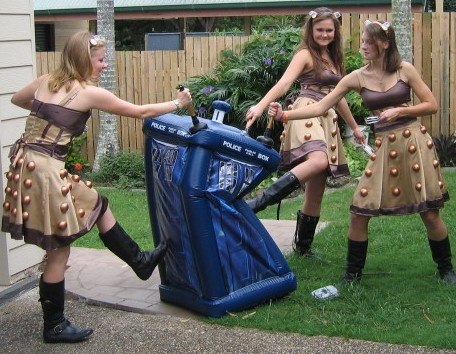
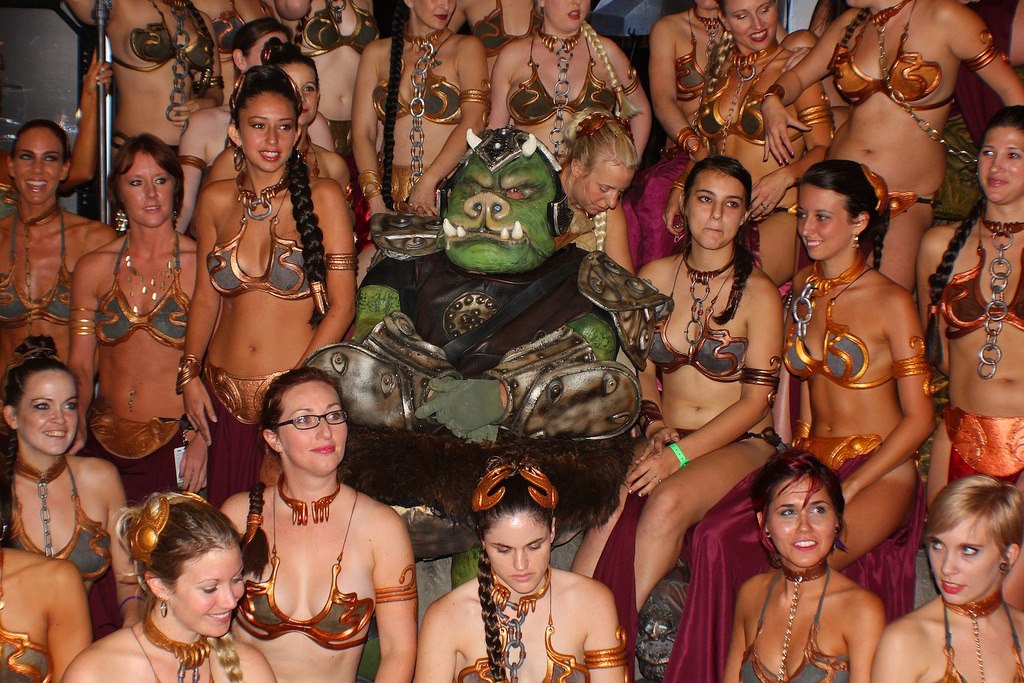
As for women being fans of Science Fiction, just take a look at current trends in cosplay.

Yeah. Women love SF. Women love a good story. Women don’t necessarily need a Happily Ever After. If we did, GONE WITH THE WIND wouldn’t have sold so many copies and CASABLANCA wouldn’t be considered one of the most romantic films EV-AR!!

***

What do you think? Are girls into SF? Has traditional Science Fiction publishing met the needs of female fans? Or are they hopelessly still operating on an outdated business model?

Is Ignorance Truly Bliss?

I miss the good old days before I supposedly knew what I was doing.
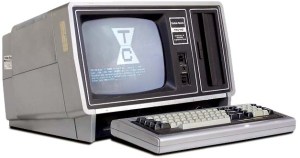
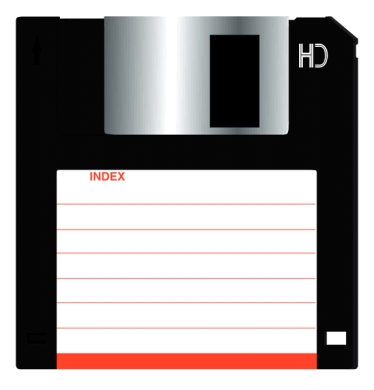
Back in the last Century, at the end of the 80’s, I was a happy wannabe writer. A new invention had sprung up and I was having oodles of fun using my secretarial skills that I’d made a point to learn in the 9th grade to help me in my future career as a writer. My skills as a touch typist landed me clerical jobs and my boundless curiosity drove me to learn various computer programs. My dad enlisted my help keeping the books for his company on his brand-new TRS-80 computers. One of the perks was that I could have one of those 8” floppies to store my writing on, and print it up on his dot matrix printer for editing and archival! Those computers spoke TRS-DOS and I became proficient with the language. (If you’ve read SOVRAN’S PAWN you’ll understand the significance of that.)

In those days, I just told stories. I didn’t worry overly much with “hopping heads” or “pacing” or “plot reversals.” I just threw things at my characters and let them deal with them, developing along the way. It was raw and it was fun. It was also very, very bad writing but I didn’t care. Ignorance was bliss.

The 90’s rolled around and computer disks shrunk. WYSIWYG replaced dot matrix, and a magical little thing called Windows appeared on the horizon. That was when I lost my innocence. I went to my first writer’s meeting and I had my very first critique – not only by published authors, mind you, but authors whose books I had read and enjoyed. I was intimidated and terrified. By the time they finished their very gentle, but honest critique, I felt stripped bare, humiliated, dejected and a complete failure. I wanted to crawl away and lick my wounds in private.

I will be forever thankful that my then-husband had the foresight to accompany me to that meeting and sit through the critique at my side, listening to every word. When it was over, he could see how shattered I was. Putting his hand over mine, he leaned forward and said, “May I ask you a question?”

I cringed. He wasn’t exactly the most diplomatic sort. At their nods, he picked up my submission and set it on the table in front of him.

“Please be honest. Do you think she has talent to pursue writing, or do you think she’s wasting her time?”

The question took them by surprise, I think. They looked from me to my husband and then to one another, shifting uncomfortably in their chairs. Slowly the nodding began.

“She has talent…”

“This is an excellent beginning. She only needs to learn a little more about storycraft.”

Then they explained to my husband and to me, because I hung on every word, that the things they had pointed out in the critique were common among newbie writers. I was guilty of passive voice, shifting from one POV character to another within a scene, letting the reader stay just outside the action as an observer and not a participant, telling and not showing.

That was the beginning of my professional writing career. Starting that day, I threw myself headlong into learning everything I could about story craft. From that day, the sheer joy of writing and spinning stories diminished a little more every time I sat down to work. Now I spend more time thinking of my writing as rising and falling action, goal-conflict-disaster-repeat, scene and sequel, plot points, inciting incident, dark moment, resolution, reward, than I spend just telling a story.

I do hate the middle part of the story. That’s where you torture your characters to prepare them for the grand finale. You have to move them ever onward towards that grand decision that makes the climax worthwhile.

Fast forward to 2012. SOVRAN’S PAWN is the first book in a series. It’s Act I and as such, was fun to write. BARRON’S LAST STAND is the Final Act. The big finish and also a lot of fun. Book Two (let’s try out the title THE BROKEN WING) is Act 2 in the overall series arc. I hate the second act. This is where story craft is vital and plot and pacing are of primary importance. The action MUST rise and fall. The plot MUST reverse at the right time or the reader will lose interest.

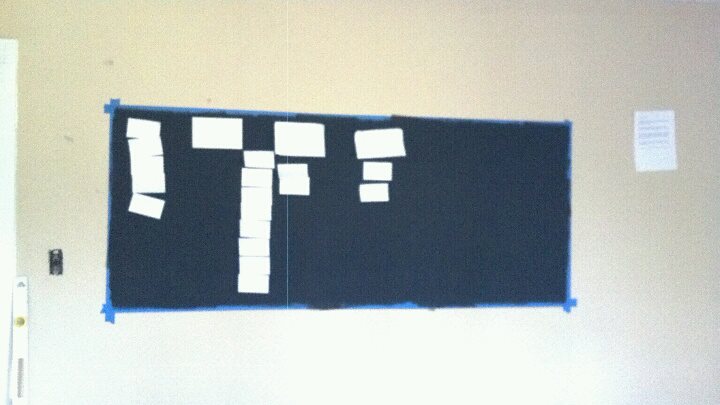
I stared at my storyboard until my eyes crossed. I filled index cards with scenes and notes until I ran out of them. I had a beginning and an ending, but a convoluted path between the two, with holes large enough to fly a Tau-class cruiser through. I was beginning to despair ever making sense of this story when the advice came in from another writer to stop planning and just let the story unfold.

So simple, yet sitting on this side of the last twenty-two years, it’s much more difficult than it used to be. I sat down, put my notes aside, and just started writing, letting my characters tell their story without worrying about how many words I was racking up or how passive the voice. Since I started doing that, I’ve added more than ten thousand words to the manuscript and I’m falling in love with the characters again. I know much of it will be cut and revised in the editing process, but for now, the story is unfolding and it’s poignant and funny and lovely and sad. I hope I can stay out of my own way long enough to tell it all the way through.

***

How has learning the “proper” way to do things changed your outlook on your work or hobbies?

Snippet Time! The Hero And The Holy Man

Welcome to Science Fiction Fantasy Saturday. Snippets of ten sentences or less are yours for the reading!

Today’s snippet comes from Book Two of The Black Wing Chronicles, and no, there is still no title.

While on Kah Lahtrec in the Outland Fringe recuperating from a hovercycle accident, Blade finds himself saddled with an odd nursemaid in the form of the wizened old holy man, Tahar, who once ruled the planet.

***

“Why did you come here, Tahar?”

Tahar poked the fire with a long slender stick then gestured towards Blade with it. “There is no way you could have made it up Mt. Jihat in your current state.” The wizened old man smiled broadly. “Since you could not come to me, I come instead to you. Sit. Join me.”

Blade glanced around for something to sit on besides the flagstones that made up the terrace.

“I will help you rise again,” Tahar said. “Sit.”

***

That’s the snippet for the week. Thank you for stopping by. Please take the time to visit the other wonderful authors taking part in Science Fiction/Fantasy Saturday!

Title-Challenged Writer Seeking Help

No, goofy, not that kind of help – although that really isn’t a bad idea – I’m looking for help naming my second book. You guys did such a great job with SOVRAN’S PAWN, I figured I’d hit you up for another go-round.

The response was so much fun with the poll to choose the title for SOVRAN’S PAWN, let’s try it again with THE BLACK WING CHRONICLES: BOOK TWO! Here are a few possible titles to choose from. Which one do YOU think sounds like the most interesting title to follow SOVRAN’S PAWN?

***

What did you like about your choice? Didn’t like any of them? What do YOU suggest? I really want to know! No, really, I do because I’m wandering in the dark with my pants over my head on this one.

Is Indiana Jones a Pantser?

One question writers get asked a lot is “planner or pantser?” First time I heard this, I stared at the person like they were from another dimension. Pantsing, or being pantsed has a completely different meaning in my world. I have three older brothers. Being a pantser in my house was being the person who went around catching ususpecting victims from behind and yanking their pants down around their ankles.

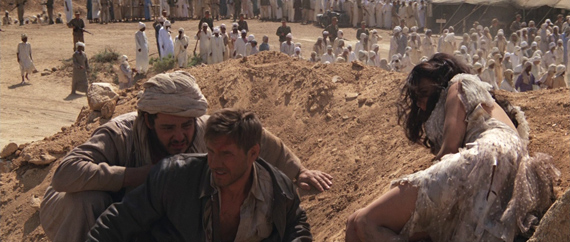
No, no, no, silly writer! Planner or pantser is the question about your writing process. Do you plan your story out with outlines and notes first? Or do you fly by the seat of your pants and make it up as you go, like Indiana Jones chasing after the lost Ark of the Covenant?

Ah! I see now. It has nothing to do with adolescent pranks at all! Am I an organized linear thinker or am I a free-wheeling free-spirit?

I had to think about this one. For many years, I had what was jokingly referred to by my family as my “neverending story.” It was pretty much the equivalent of a television series in that my characters dealt with one crisis after another, resolving one only to have another one hit them after a short commercial break. This is not uncommon among pantsers. The problem with this for me is that story craft and construction suffer as the tale rambles on and on without any real buildup of tension, but it can be a fun ride!

The alternative is to have every move planned out and outlined with few, if any, surprises to the writer. But this way, you can be assured that the story builds at the appropriate times and advances the plot towards the climax… and all that other nuts and boltsy storytelling stuff that writers must master if they hope to find any measure of readership. Learning to write is something we all do in school. Learning to craft a story is a skill most writers spend a lifetime learning to master. Story craft without skillful wordsmithery or vice versa is what separates mediocre writing from stellar writing. Both disciplines must not only be studied, but mastered.

That’s one reason I (and many other writers) hate reviewing books. I see all the technical flaws. The most common flaws are*:

  • Typos
  • Misused words
  • Backstory dump
  • Passive voice
  • Telling not showing
  • Flat characters
  • Lack of tension
  • Plot points in the wrong place
  • Poorly developed middle
  • Unsatisfying story resolution
  • Sudden inexplicable character change without reasonable explanation or foreshadowing
  • Unsympathetic or unlikeable main characters

Historically, editors have caught these issues before they ever saw the light of day. Now, with the ease of self-publishing and with smaller press publishers, I see more and more of these issues in books on the market. Most of these issues can be resolved before the second draft if only the writer had done a little more planning and a little less pantsing.

What do I do? I know my flaws as a writer. I know my tendency towards passive voice. I know that I tend to info dump and miss the key moment to introduce a major plot point. I am guilty of every manuscript flaw on the list and several more I can’t think of at the moment. I write in a combination of first pantsing, then planning.

Plot points are key pivotal moments that change the course of the story. They’re the moments that take your characters out of their comfort zones and send them after the larger quest. They’re the scenes that are required to drive your story in the direction you want it to go. They happen at pretty much the same place in every story. You can see them if you know what you’re looking for. These are the scenes I try to write first. They tend to get revised several times before the end of the story, but they are the vital joints that propel the story forward.

Once I have the major plot points worked out, I make sure I have them at the right place in the story. If my first five chapters drag on without introducing the first plot point, then I’m starting the story in the wrong place.

Once the bare bones of plot points are laid out, I start pantsing. This is where I let my free-spirit soar and unleash my creativity. I let my characters go and just have fun with them following them from one plot point to another. I know I’ve got to get them to a certain point and I ask myself how to accomplish that. Once I get the pantsing urge out, I put my planning hat back on and look at the story, analyzing it for pacing, coherence, holes, dropped plot threads or missed opportunities.

I go back and forth between the two until it’s ready for the beta readers and finally the editor.

It’s not the way I started writing. It’s not the most fun way to write. It is the result of decades of story craft study, countless writer’s workshops, and numerous critiques that stripped my manuscripts bare and exposed their flaws for all to see. In short, it’s the way I’ve learned to write professionally.

I need a combination of planning and pantsing because for me, without the planning, if I presented my writing to the world, I would feel exposed, as if I had my pants down around my ankles, waiting for someone to point and laugh. By the same token, if I didn’t wing it every now and again, my work would fall flat and be too mechanical without any spontaneity or fun. Some of my favorite lines and scenes have come from just seeing where the spirit takes me. One method is not superior to another, but in utilizing both, I find that my writing shines brightest.

***

How about you? Are you a planner, a pantser or some combination of the two?

***

*Note:  Fifty Shades of Grey was guilty of all of these technical flaws which is why writers everywhere hold it in such contempt.