Girls Don’t Like Sci-Fi! Do They?

Sometimes it’s hard to remember how far we’ve come until you look back at where we’ve been.

When I was a kid, growing up on STAR TREK, WONDER WOMAN, SPACE 1999, THE SIX MILLION DOLLAR MAN, THE BIONIC WOMAN and BUCK ROGERS women were still pretty much objects to be kidnapped, tied up, held for ransom and eventually rescued by the big strong man. While women and girls were fans of science fiction, it wasn’t really written for us, with us in mind. The general consensus was that science fiction fans were primarily male, intelligent, between the ages of 12 and 40 and virgins living in their parents’ basement.

I was frustrated that there was precious little out there that depicted kick-ass women as heroic figures. So I started writing my own. That’s how Bo Barron was born. Even then, I realized that it would be impossible to find a market in the male-dominated science fiction market. I was ready to give up the idea and bow to pressure to go to college to be an English teacher. Fortunately, I found the Rissa Kerguelen series of books by F.M. Busby and held fast to my original plan.
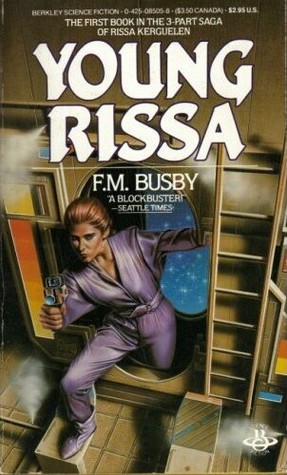
Until I sat down to write this post, I’d pretty much forgotten those books, which is a shame, considering how many times I read and re-read them in high school. It was 1984, Bo was already cutting a wide swath through my friends who clamored for more of her adventures. It was a stinky boy who told me no one would ever buy a science fiction book about a girl warrior. College loomed. I had to declare a major. While browsing in a bookstore I found Rissa. She was so different from Bo and while I tried to really like her, something about her fell flat. I later came to realize that was because she was written by a man, from a man’s perspective. But what kept me going was knowing that here was a character who had a lot in common with my own. If she could see the light of day, so could Bo.

Over the years, I heard over and over that “women just don’t read science fiction” and “women aren’t into science fiction.” I did and I was. What was I? Chopped liver? I would argue with whoever held still long enough that the reason more women weren’t into science fiction was because men were writing science fiction for men. If more women wrote science fiction, more women would read it. But it was the 1980’s and gender lines were still clearly drawn.

The movie ALIEN started things changing. Ripley was a kick-ass heroine that men loved and women related to. It was a slow process, but by the 1990’s, the sub-genre of Science Fiction Romance was on the rise and traditional romance publishers were taking a chance on it. However, the mainstream SF publishers still didn’t want anything to do with it. Hard SF, cyberpunk and technothriller were all they wanted to see. Space Opera? Forget it.
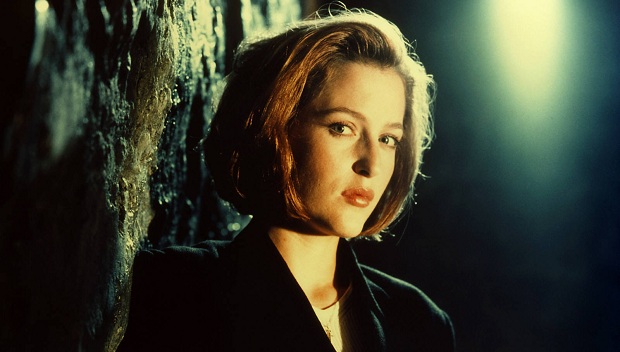
The stereotype of the awkward, but brilliant male adolescent SF fan living in his parents’ basement was still the target market of SF publishers. Funny, but during that time Romance sales soared and SF sales did not. Film and television tapped into the female market with shows showing women in heroic roles like SPACE: ABOVE AND BEYOND and BABYLON 5 and STARSHIP TROOPERS. In fantasy and other genres there was XENA: WARRIOR PRINCESS, NIKITA, and even the X-FILES, which switched the gender roles with the skeptical scientist played by Gillian Anderson and the wild-eyed paranormal expert played by David Duchovny.

Fast forward to the 21st Century. SF Romance still struggles to find a market as Romance publishers are reluctant to deviate from their formula and require Happily Ever After endings or at least Happy For Now, and Science Fiction publishers are more reluctant than ever to sully their reputations with that tripe. Of course, the beautiful thing is, SF authors are no longer dependent on the hallowed halls of traditional publishers to get their work in the hands of eager readers. There is an awful lot of self- small- and indie-published SF out there, a lot of it Space Opera and SF Romance.

You see, the nasty little secret that mainstream SF publishers never realized is that no matter the situation, be it war, politics, or business, no matter how complicated it is at the outset, all you have to do to really screw it up is to throw a woman and romantic element into the mix. It doesn’t necessarily make it a romance, but it does complicate your story nicely. That’s the kind of thing women love to read. Even Homer understood how women can complicate and cloud the issue. After all, he told the story of the Trojan War, which, according to Homer, was all for the love of a beautiful woman.

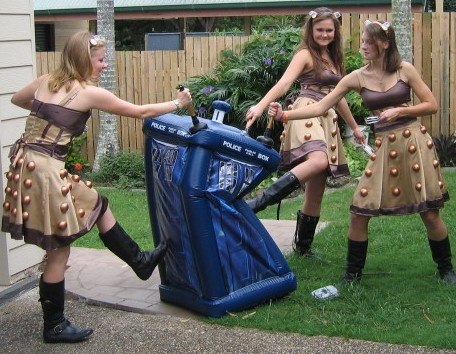
As for women being fans of Science Fiction, just take a look at current trends in cosplay.
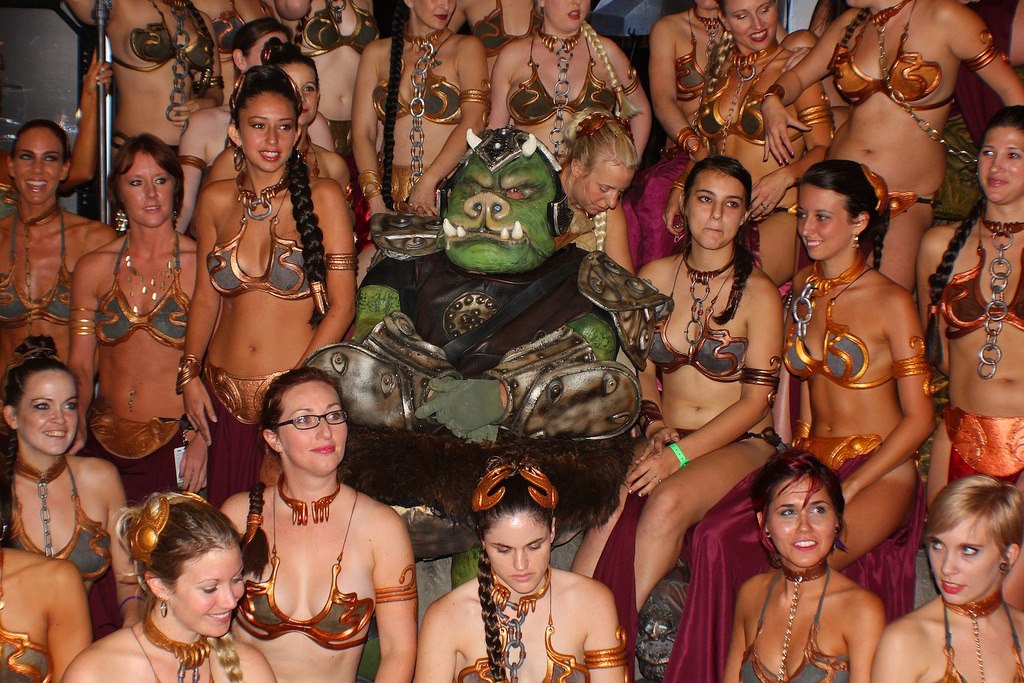
Yeah. Women love SF. Women love a good story. Women don’t necessarily need a Happily Ever After. If we did, GONE WITH THE WIND wouldn’t have sold so many copies and CASABLANCA wouldn’t be considered one of the most romantic films EV-AR!!

***

What do you think? Are girls into SF? Has traditional Science Fiction publishing met the needs of female fans? Or are they hopelessly still operating on an outdated business model?

Is Ignorance Truly Bliss?

I miss the good old days before I supposedly knew what I was doing.

Back in the last Century, at the end of the 80’s, I was a happy wannabe writer. A new invention had sprung up and I was having oodles of fun using my secretarial skills that I’d made a point to learn in the 9th grade to help me in my future career as a writer. My skills as a touch typist landed me clerical jobs and my boundless curiosity drove me to learn various computer programs. My dad enlisted my help keeping the books for his company on his brand-new TRS-80 computers. One of the perks was that I could have one of those 8” floppies to store my writing on, and print it up on his dot matrix printer for editing and archival! Those computers spoke TRS-DOS and I became proficient with the language. (If you’ve read SOVRAN’S PAWN you’ll understand the significance of that.)

In those days, I just told stories. I didn’t worry overly much with “hopping heads” or “pacing” or “plot reversals.” I just threw things at my characters and let them deal with them, developing along the way. It was raw and it was fun. It was also very, very bad writing but I didn’t care. Ignorance was bliss.

The 90’s rolled around and computer disks shrunk. WYSIWYG replaced dot matrix, and a magical little thing called Windows appeared on the horizon. That was when I lost my innocence. I went to my first writer’s meeting and I had my very first critique – not only by published authors, mind you, but authors whose books I had read and enjoyed. I was intimidated and terrified. By the time they finished their very gentle, but honest critique, I felt stripped bare, humiliated, dejected and a complete failure. I wanted to crawl away and lick my wounds in private.

I will be forever thankful that my then-husband had the foresight to accompany me to that meeting and sit through the critique at my side, listening to every word. When it was over, he could see how shattered I was. Putting his hand over mine, he leaned forward and said, “May I ask you a question?”

I cringed. He wasn’t exactly the most diplomatic sort. At their nods, he picked up my submission and set it on the table in front of him.

“Please be honest. Do you think she has talent to pursue writing, or do you think she’s wasting her time?”

The question took them by surprise, I think. They looked from me to my husband and then to one another, shifting uncomfortably in their chairs. Slowly the nodding began.

“She has talent…”

“This is an excellent beginning. She only needs to learn a little more about storycraft.”

Then they explained to my husband and to me, because I hung on every word, that the things they had pointed out in the critique were common among newbie writers. I was guilty of passive voice, shifting from one POV character to another within a scene, letting the reader stay just outside the action as an observer and not a participant, telling and not showing.

That was the beginning of my professional writing career. Starting that day, I threw myself headlong into learning everything I could about story craft. From that day, the sheer joy of writing and spinning stories diminished a little more every time I sat down to work. Now I spend more time thinking of my writing as rising and falling action, goal-conflict-disaster-repeat, scene and sequel, plot points, inciting incident, dark moment, resolution, reward, than I spend just telling a story.

I do hate the middle part of the story. That’s where you torture your characters to prepare them for the grand finale. You have to move them ever onward towards that grand decision that makes the climax worthwhile.

Fast forward to 2012. SOVRAN’S PAWN is the first book in a series. It’s Act I and as such, was fun to write. BARRON’S LAST STAND is the Final Act. The big finish and also a lot of fun. Book Two (let’s try out the title THE BROKEN WING) is Act 2 in the overall series arc. I hate the second act. This is where story craft is vital and plot and pacing are of primary importance. The action MUST rise and fall. The plot MUST reverse at the right time or the reader will lose interest.

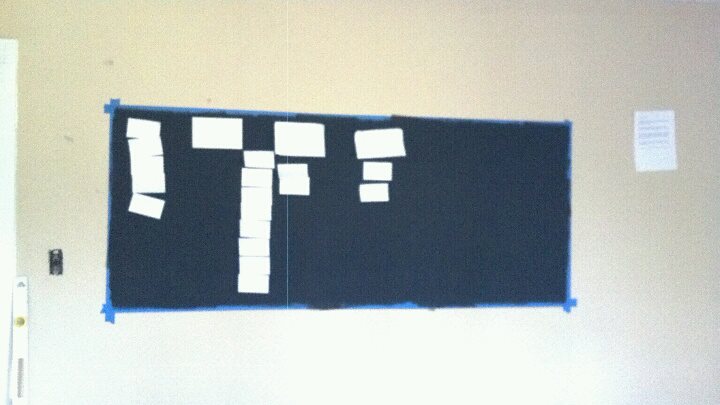
I stared at my storyboard until my eyes crossed. I filled index cards with scenes and notes until I ran out of them. I had a beginning and an ending, but a convoluted path between the two, with holes large enough to fly a Tau-class cruiser through. I was beginning to despair ever making sense of this story when the advice came in from another writer to stop planning and just let the story unfold.

So simple, yet sitting on this side of the last twenty-two years, it’s much more difficult than it used to be. I sat down, put my notes aside, and just started writing, letting my characters tell their story without worrying about how many words I was racking up or how passive the voice. Since I started doing that, I’ve added more than ten thousand words to the manuscript and I’m falling in love with the characters again. I know much of it will be cut and revised in the editing process, but for now, the story is unfolding and it’s poignant and funny and lovely and sad. I hope I can stay out of my own way long enough to tell it all the way through.

***

How has learning the “proper” way to do things changed your outlook on your work or hobbies?

Title-Challenged Writer Seeking Help

No, goofy, not that kind of help – although that really isn’t a bad idea – I’m looking for help naming my second book. You guys did such a great job with SOVRAN’S PAWN, I figured I’d hit you up for another go-round.

The response was so much fun with the poll to choose the title for SOVRAN’S PAWN, let’s try it again with THE BLACK WING CHRONICLES: BOOK TWO! Here are a few possible titles to choose from. Which one do YOU think sounds like the most interesting title to follow SOVRAN’S PAWN?

***

What did you like about your choice? Didn’t like any of them? What do YOU suggest? I really want to know! No, really, I do because I’m wandering in the dark with my pants over my head on this one.

Is Indiana Jones a Pantser?

One question writers get asked a lot is “planner or pantser?” First time I heard this, I stared at the person like they were from another dimension. Pantsing, or being pantsed has a completely different meaning in my world. I have three older brothers. Being a pantser in my house was being the person who went around catching ususpecting victims from behind and yanking their pants down around their ankles.

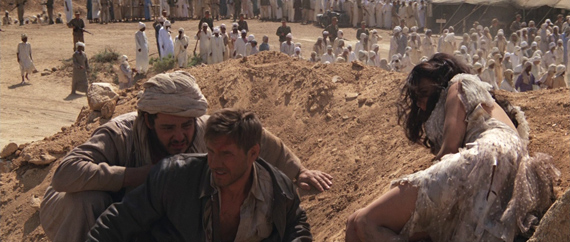
No, no, no, silly writer! Planner or pantser is the question about your writing process. Do you plan your story out with outlines and notes first? Or do you fly by the seat of your pants and make it up as you go, like Indiana Jones chasing after the lost Ark of the Covenant?

Ah! I see now. It has nothing to do with adolescent pranks at all! Am I an organized linear thinker or am I a free-wheeling free-spirit?

I had to think about this one. For many years, I had what was jokingly referred to by my family as my “neverending story.” It was pretty much the equivalent of a television series in that my characters dealt with one crisis after another, resolving one only to have another one hit them after a short commercial break. This is not uncommon among pantsers. The problem with this for me is that story craft and construction suffer as the tale rambles on and on without any real buildup of tension, but it can be a fun ride!

The alternative is to have every move planned out and outlined with few, if any, surprises to the writer. But this way, you can be assured that the story builds at the appropriate times and advances the plot towards the climax… and all that other nuts and boltsy storytelling stuff that writers must master if they hope to find any measure of readership. Learning to write is something we all do in school. Learning to craft a story is a skill most writers spend a lifetime learning to master. Story craft without skillful wordsmithery or vice versa is what separates mediocre writing from stellar writing. Both disciplines must not only be studied, but mastered.

That’s one reason I (and many other writers) hate reviewing books. I see all the technical flaws. The most common flaws are*:

  • Typos
  • Misused words
  • Backstory dump
  • Passive voice
  • Telling not showing
  • Flat characters
  • Lack of tension
  • Plot points in the wrong place
  • Poorly developed middle
  • Unsatisfying story resolution
  • Sudden inexplicable character change without reasonable explanation or foreshadowing
  • Unsympathetic or unlikeable main characters

Historically, editors have caught these issues before they ever saw the light of day. Now, with the ease of self-publishing and with smaller press publishers, I see more and more of these issues in books on the market. Most of these issues can be resolved before the second draft if only the writer had done a little more planning and a little less pantsing.

What do I do? I know my flaws as a writer. I know my tendency towards passive voice. I know that I tend to info dump and miss the key moment to introduce a major plot point. I am guilty of every manuscript flaw on the list and several more I can’t think of at the moment. I write in a combination of first pantsing, then planning.

Plot points are key pivotal moments that change the course of the story. They’re the moments that take your characters out of their comfort zones and send them after the larger quest. They’re the scenes that are required to drive your story in the direction you want it to go. They happen at pretty much the same place in every story. You can see them if you know what you’re looking for. These are the scenes I try to write first. They tend to get revised several times before the end of the story, but they are the vital joints that propel the story forward.

Once I have the major plot points worked out, I make sure I have them at the right place in the story. If my first five chapters drag on without introducing the first plot point, then I’m starting the story in the wrong place.

Once the bare bones of plot points are laid out, I start pantsing. This is where I let my free-spirit soar and unleash my creativity. I let my characters go and just have fun with them following them from one plot point to another. I know I’ve got to get them to a certain point and I ask myself how to accomplish that. Once I get the pantsing urge out, I put my planning hat back on and look at the story, analyzing it for pacing, coherence, holes, dropped plot threads or missed opportunities.

I go back and forth between the two until it’s ready for the beta readers and finally the editor.

It’s not the way I started writing. It’s not the most fun way to write. It is the result of decades of story craft study, countless writer’s workshops, and numerous critiques that stripped my manuscripts bare and exposed their flaws for all to see. In short, it’s the way I’ve learned to write professionally.

I need a combination of planning and pantsing because for me, without the planning, if I presented my writing to the world, I would feel exposed, as if I had my pants down around my ankles, waiting for someone to point and laugh. By the same token, if I didn’t wing it every now and again, my work would fall flat and be too mechanical without any spontaneity or fun. Some of my favorite lines and scenes have come from just seeing where the spirit takes me. One method is not superior to another, but in utilizing both, I find that my writing shines brightest.

***

How about you? Are you a planner, a pantser or some combination of the two?

***

*Note:  Fifty Shades of Grey was guilty of all of these technical flaws which is why writers everywhere hold it in such contempt.

How I Spent My Summer Vacation #1: Visiting Mondhuoun

I crave the mountains. Not just any mountains, mind you, I want the Blue Ridge. More specifically, I pine for upstate South Carolina.

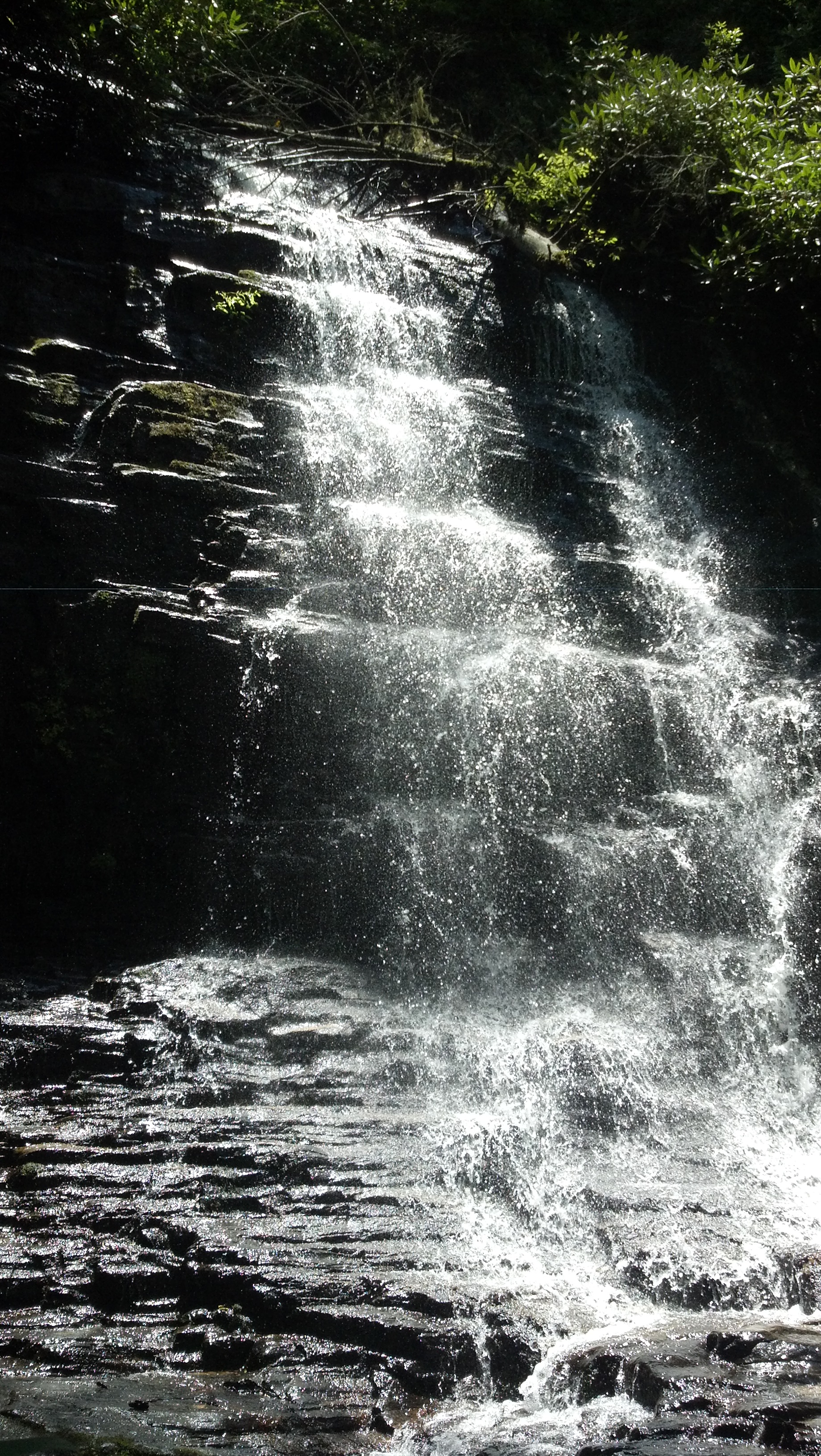
Spoonauger Falls

My parents both hail from pioneer families whose ties to that part of South Carolina stretch back to when this country was not only a colony but a wild and woolly wilderness. They left the area shortly before I was born, forever dooming me to a bit of an identity crisis. School holidays always brought out the suitcases and the general understanding that we were “going home” to South Carolina. As one Florida born, I never really understood, but I didn’t have to. Those mountains are in my blood. They’re in my very DNA.

My father is a mountain man born out of time. Every chance he gets to this day, he takes off for the land of his birth, finding solace and comfort in the unchanging wilderness of the Sumter National Forest and the Chattooga river. Coming off the trails his arthritic legs can no longer negotiate with ease, he scans the roadway, telling stories of mountain folk long gone, stores and landmarks so buried in time that not even the current residents remember them anymore.

When I was a child, my father took me into the woods and tried to impart his backwoods wisdom. Much of it stuck. On our recent camping trip there, my sons were impressed to learn that my fire-building capabilities surpassed those of my husband, who is no tenderfoot. I can survive a backcountry trail quite comfortably if I had to. At my age, I no longer want to.

I grew up in those mountains, like my parents… like their parents.

Even when you write science fiction, one way or another, you end up writing what you know.

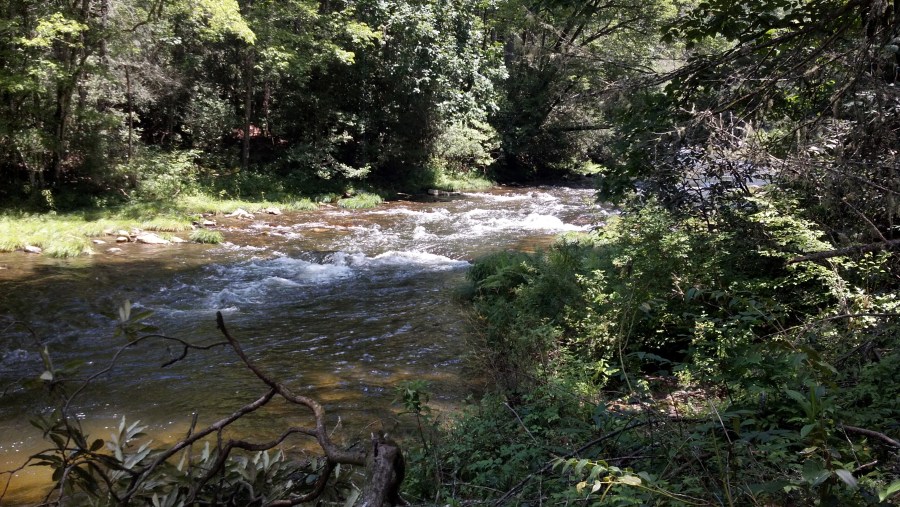
As I’m working on the second book of THE BLACK WING CHRONICLES, the story takes me to places both familiar and distant. When I try to picture the Gallic Highlands of Mondhuoun, the land of Bo’s birth, I can’t help but picture the ancient and rugged terrain of the Sumter National Forest and the Chattooga River. Gallic bluestone was inspired by the blue granite of those mountains.

Like Bo, I was exiled from that land I love. Like Bo, I treasure every visit home.

How Old Is Too Old For An Idea?

If you follow me, you know I’m devoted to participating in Science Fiction/Fantasy Saturday. This past weekend, I included a snippet from a book I started writing twenty-five years ago. One of the authors who commented on the snippet pointed out that he wouldn’t develop an idea that was twenty-five years-old. I have to say the comment got in my head and won’t leave me alone.

How old is too old for an idea?

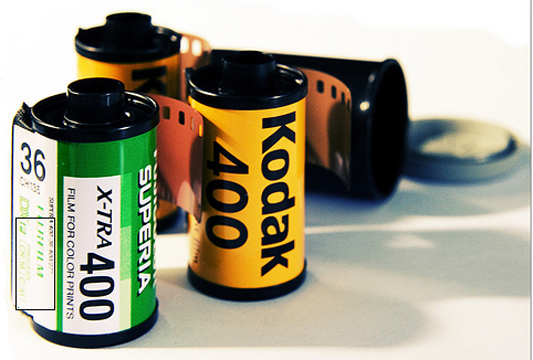
I have many completed novels that for one reason or another never got published. I think cyberpunk was all the rage at the time. One is a romantic thriller, contemporary in the early 90’s, and very reliant on the prevalent technology of the time:  pay phones, floppy disks, slow modems, fax machines, 35mm photography negatives, and that’s just off the top of my head. Drawn from my experiences writing for the Tampa Tribune newspaper at the time, the story itself is pretty good. It’s paced well. The characters are well developed. I could publish today… except for the fact that the dated technology is integral to the plot. Perhaps I’ll publish it at some point as a period piece.

My  point is, that it’s an idea I wouldn’t make a priority out of developing due to its dated content. But the science fiction romance I posted on Saturday is another story entirely. Drawing inspiration from Terminator, Flash Gordon, and Total Recall, it was an idea I’d toyed with, off and on, since 1987 before it got archived with The Black Wing Chronicles in 2002. For that matter, I first conceived of The Black Wing Chronicles in 1980. Sovran’s Pawn only published this year. That’s a thirty-two year-old concept that got developed.

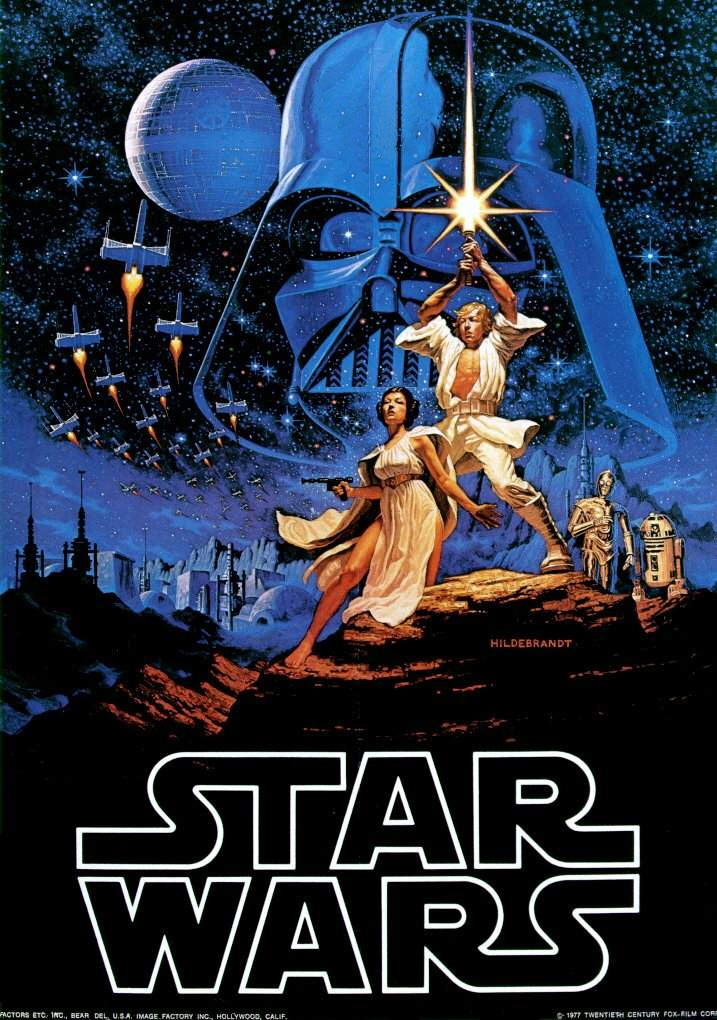
If a story is compelling and interesting to the writer, shouldn’t it see the light of day? A good premise is timeless and resonates. Sure, Star Wars was exactly what sf fans everywhere needed at the time. Most sf of the period had become painfully socially conscious, with accusatory messages of total annihilation and the inherent evil of humankind. Star Wars was a breath of fresh air — a lighthearted adventure. It was the Hero’s Journey. Would it be successful if released for the first time today? If you take into account how very groundbreaking it was in special effects technology, I believe it would be. No one had seen anything quite like it. Star Wars made science fiction fun again, taking it out of the hands of the ivory tower bunch and putting back into the hands of adventurers, pirates, cowboys and damsels in distress. Would it be a blockbuster? I don’t know, but if the cult success of Joss Whedon’s Firefly can be used as a measure, Star Wars would find a devoted audience.

How old is too old for an idea?

I suppose that for every writer, that’s a personal decision. For myself, I believe that good ideas are timeless. As far as The Lost Domina is concerned, I’ll let YOU decide. Here is the blurb. Tell me what you think.

***

Riding high on the sale of her first novel, science fiction author Analise Trujold tries to rescue her failing marriage with a trip to the countryside with her husband to watch a meteor shower. A close encounter with an alien hit squad who murders her husband, and the sudden appearance of Admiral Faran Hagon, the hero in her novel, ensnare Analise in a hotbed of interstellar intrigue. Characters from her book are more real than she ever could have believed and her mundane life on Earth has been nothing more than implanted memories to keep her safe during her exile.

The Universal Congolmeration of Systems is under attack from within.  As the Lost Domina, Ana is the only one who can hold it together. But with her memories suspect, she’s not sure who she can trust. Even though she’s drawn to Faran, she can’t help but wonder if he isn’t somehow angling to rule in her stead. If she hopes to survive, Ana must rely on her wits and creativity to uncover the truth behind the fiction.

THE LOST DOMINA #SFFSat Snippet for 07/28/2012

Welcome to Science Fiction Fantasy Saturday. On the surface, it’s a web ring of authors who post snippets of their work for comment. In reality, it’s a close-knit group of friends and colleagues working together to support and encourage one another and promote the science fiction and fantasy genres.

This week’s snippet is a complete departure from THE BLACK WING CHRONICLES. I present for your amusement a lost story from a completely different universe. This story dates back to 1987 and was never completed beyond the first few thousand words. It’s currently in development.

A Science Fiction writer discovers that the characters and premise of her book are real. She makes this discovery the night her enemies find her.

***

At first, Analise thought her mind was playing tricks on her. On the roadway, not twenty meters away, a group of five men faced Andy. He backed slowly away from them. Analise called out to him. He shouted for her to run. The leader of the group took advantage of Andy’s divided attention and fired. A red light flashed and Andy doubled over. He collapsed onto the pavement and never moved again.

***

Well, that’s the Saturday Snippet for this week! Please don’t forget to comment by clicking on either the blog title or the little quotation balloon in the upper right hand corner. Tell your friends. Stop back here next week for another!

***

If you’re interested in more about:

SOVRAN’S PAWN

United by extortion, divided by duty, someone wants them both dead. They want each other. The catch is, nothing is what it seems…

Convicted of treason and sentenced to be executed, Bo Barron is the last person who should be infiltrating a Sub-socia weapons auction. But when her father is kidnapped and the ransom demand is the schematics to an experimental weapon, she has no choice but to go under cover with her uncle to get it.

Nobody counted on former-government-agent-turned-holofeature-hero Blade Devon’s infatuation with her. A botched assassination under the guise of a bar brawl leaves Bo blind and Blade wondering if there isn’t more to this job than he was led to believe.

Never able to resist playing the hero, Blade tends her injuries and delves deeper into the intrigue only to find this mission isn’t about a weapon at all. It’s about two Sovrans’ maneuvering for control, with Bo and Blade as their pawns.

All Bo and Blade have to do is figure out how to survive the game they didn’t know they were playing.

Games Husbands Play With Novelist Wives

Many years ago, when my husband and I first met, I was a freelance writer working on a novel. He expressed polite interest and as our relationship blossomed, I offered to let him read it.

“I don’t read much fiction anymore,” he said.

I didn’t press the issue.

Because we married, and shortly thereafter, our first child was on the way, I put my writing aside. He occasionally called me in to read over the papers for his graduate study course work, but otherwise expressed no interest in anything remotely literary that I may do. Time passed and eventually, I picked up writing again and resumed work on The Black Wing Chronicles series. Despite my repeated requests that he read it and give me feedback, he declined to return the favor I’d done for him during his grad studies. I couldn’t get him to read any of my writing for any amount of begging and pleading, despite the fact that I was working on a completely different novel. When Sovran’s Pawn was published, he fell back on his tired old excuse.

“I don’t read much fiction anymore.”

It got to be a family joke.

“Dale still hasn’t read your book yet?” my father asked.

“No, and I don’t intend to,” my husband replied. “I don’t like reading books on the computer.”

When my proof copy arrived, he was all out of excuses. His reluctance to read it amused me.

When we left on vacation, he caved to the pressure from his friends who have already read it and badgered him endlessly about it. He started reading it under duress. After reading the first chapter, he set it aside.

“I already have a problem with it,” he said with all the petulance of a schoolboy being forced to memorize and recite epic poetry. “I just don’t like contrived, cliché names. I mean, Edge? Really? Who names their kid Edge?”

I smiled. “Have you read Chapter Two?”

“No.”

“Edge’s name is explained in Chapter Two,” I said.

He eyed me dubiously.

“Two things you need to know, honey,” I said. “This book is an adventure written with tongue very firmly in cheek. A major theme in the whole story has to do with the nature of names as they relate to a person’s identity. The characters are named accordingly.”

With a long-suffering sigh, he picked it up again and resumed his reading. Once he got into it, he flew through it. I glanced over to find him chuckling out loud over passages. He’d look up at me over the top of the book with a merry twinkle in his eyes and a silly grin on his face.

When he reached Chapter Ten, he groaned and chortled, then set the book aside grinning hugely. “Eben Mohr?” he teased. “Really? Eben Mohr?? I can’t believe you named him Eben Mohr!”

I just smiled and shook my head. “That was my little joke with myself,” I said. “That’s my homage to James Bond. If Ian Fleming can have a character named Pussy Galore, I can have one named Eben Mohr. Tongue-in-cheek, baby.”

He shook his head and resumed his reading. He plowed through the book during the week we were in the mountains, reading as long as the light held out. Our last night in camp, the propane lantern hissed well past quiet time and he kept turning pages. He stopped when he reached Chapter Twenty-Four.

“I thought you were going to finish it tonight,” I said as we snuggled under our sleeping bag a little while later.

“I wanted to prove to you that I could stop.”

“You do realize that’s not exactly a compliment to a writer, don’t you?”

“It’s not my kind of book,” he said.

I’m pretty sure that’s all the praise or criticism I’m going to get out of him on the subject. I’m also pretty sure he’s not going to read the last two chapters out of sheer cussedness as we say in the South. He can be a contrary sort when he wants to be. The same thing that will keep him from reading the last two chapters and finishing his wife’s novel is the same contrary nature that drives him to seek out movies he’s pretty sure I can’t resist to lure me away from the computer in the evenings when I try to write. Tonight, as I’ve been working on this post, he’s already tried Desperado (Antonio Banderas) and when that didn’t get a rise out of me, he’s gone to Young Frankenstein. I think it’s a game to him.

Oh, I’ll get off in a little while… after Gene Wilder’s first scene in the medical school is over, or at least when he stabs himself in the leg with the scalpel.

You see, my husband isn’t the only one who can play games.

UNDERNEATH DEAD STAR #SFFSat Snippet for 07/21/2012

Welcome to Science Fiction Fantasy Saturday. On the surface, it’s a web ring of authors who post snippets of their work for comment. In reality, it’s a close-knit group of friends and colleagues working together to support and encourage one another and promote the science fiction and fantasy genres.

This week’s snippet is a backhanded return to the ‘verse of THE BLACK WING CHRONICLES. This is from UNDERNEATH DEAD STAR. This is the novel tie-in for Blade Devon’s breakout holofeature role. I have two incomplete manuscripts which provided the titles and storylines for Blade’s holofeatures UNDERNEATH DEAD STAR is the one I’m sharing here. It’s currently in development and may or may not ever see the light of day.

Without further ado, I introduce you to Rubicon P. Schuyler, “Rube” to his friends. What is the “P” for? Effect.

***

Hello, my name is Rubicon P. Schuyler, and I’m a grunt. I hate when I have to introduce myself to a new supervisor. I always feel like one of those ultra-dependent types at a self-help meeting. The only difference is that being a grunt is not exactly a condition, it’s more along the lines of a disease. It’s the military’s term for perpetual screw-up. If I had enlisted thousands of years ago, they’d have made me a foot-soldier. I’m a man with no talent or ambition beyond surviving and propagating the species. Well, let’s just say I try to propagate the species whenever the opportunity presents itself.

They, the evil military leaders who decide assignments and transfers for the good of the Galactic Commonwealth, sent me to certain death at the asteroid station they called Dead Star.

***

Well, that’s the Saturday Snippet for this week! Please don’t forget to comment by clicking on either the blog title or the little quotation balloon in the upper right hand corner. Tell your friends. Stop back here next week for another!

***

If you’re interested in more about:

SOVRAN’S PAWN

United by extortion, divided by duty, someone wants them both dead. They want each other. The catch is, nothing is what it seems…

Convicted of treason and sentenced to be executed, Bo Barron is the last person who should be infiltrating a Sub-socia weapons auction. But when her father is kidnapped and the ransom demand is the schematics to an experimental weapon, she has no choice but to go under cover with her uncle to get it.

Nobody counted on former-government-agent-turned-holofeature-hero Blade Devon’s infatuation with her. A botched assassination under the guise of a bar brawl leaves Bo blind and Blade wondering if there isn’t more to this job than he was led to believe.

Never able to resist playing the hero, Blade tends her injuries and delves deeper into the intrigue only to find this mission isn’t about a weapon at all. It’s about two Sovrans’ maneuvering for control, with Bo and Blade as their pawns.

All Bo and Blade have to do is figure out how to survive the game they didn’t know they were playing.

THE WATCHTOWER #SFFSat Snippet for 07/14/2012

Welcome to Science Fiction Fantasy Saturday. On the surface, it’s a web ring of authors who post snippets of their work for comment. In reality, it’s a close-knit group of friends and colleagues working together to support and encourage one another and promote the science fiction and fantasy genres.

This week’s snippet is a departure from SOVRAN’S PAWN. Don’t worry. We aren’t going far. I’ve been hard at work on Book Two of THE BLACK WING CHRONICLES, tentatively titled THE WATCHTOWER. Still in the first draft stage it’s nearly ready for the endless revisions to begin. Here is your first look:

***

When he had her arm immobilized against her body, he pulled her to her feet once more. “Come on.”

“Did you have any trouble?” she asked.

“I got it,” he said. “Next time, I’m the diversion and you go after the package, deal?”

Bo smiled to herself and tightened her grip on his hand as she followed him down the steep slope. “Have you seen what he hired for security?” she asked. “There’s no way I would have ever passed for one of them. You’re more the type which is why I contacted you.”

“Here I thought you missed me,” he said lightly.

***

Well, that’s the Saturday Snippet for this week! If you’ve enjoyed following this little serialized scene week after week, I have the complete scene posted under my Works In Progress tab up at the top, or you can go directly to it by clicking HERE.

Next week, we’re moving on to something else.

Please don’t forget to comment by clicking on either the blog title or the little quotation balloon in the upper right hand corner. Tell your friends. Stop back here next week for another!

***

If you’re interested in more about:

SOVRAN’S PAWN

United by extortion, divided by duty, someone wants them both dead. They want each other. The catch is, nothing is what it seems…

Convicted of treason and sentenced to be executed, Bo Barron is the last person who should be infiltrating a Sub-socia weapons auction. But when her father is kidnapped and the ransom demand is the schematics to an experimental weapon, she has no choice but to go under cover with her uncle to get it.

Nobody counted on former-government-agent-turned-holofeature-hero Blade Devon’s infatuation with her. A botched assassination under the guise of a bar brawl leaves Bo blind and Blade wondering if there isn’t more to this job than he was led to believe.

Never able to resist playing the hero, Blade tends her injuries and delves deeper into the intrigue only to find this mission isn’t about a weapon at all. It’s about two Sovrans’ maneuvering for control, with Bo and Blade as their pawns.

All Bo and Blade have to do is figure out how to survive the game they didn’t know they were playing.